
Part Five of the Planning as Invitation series — stories that trace how structure evolved from instinct to intention to care.
The Politeness Loop
There’s a funny thing that happens when you bring thoughtful people together. They’re kind, considerate, and careful not to step on each other’s toes. No one wants to seem demanding. Everyone wants to be flexible.
My husband’s family is exactly like this. Some of my favorite, genuinely lovely people. But when you get a group of them in one place and ask what everyone wants to do, it can become an endless loop of mutual deference. Without direction, people split off to do the “thing” and return to disappointed cries of “We wanted to do that too, we would have gone with you!”
The first time I inserted my planner personality in this kind of situation, I felt a little like a bull in a china shop. But it wasn’t about charging in and taking control. It was about creating space for everyone to actually enjoy themselves. Someone has to move people in a direction, to take the lead. More often than not, that someone is me. Not because I want to run the show, but because I can see the gaps.
That role comes with hazards. Once you step up, you risk being seen as the person who “decides everything.” But when I say clearly, early, and often that I’m not planning this, and actually step back, nothing happens. People say they’re happy with anything, until anything turns into nothing. What people really need is structure.
Graduation Weekend: The First Itinerary
The communication style shifted during our oldest son’s high school graduation. We were hosting multiple out-of-town guests — all unfamiliar with the area and unsure about what to expect. They didn’t know about arrival times, parking, the family dinner, or how to fill the downtime. And for our immediate family’s part, we had to juggle rehearsals, food pickups, and last-minute errands.
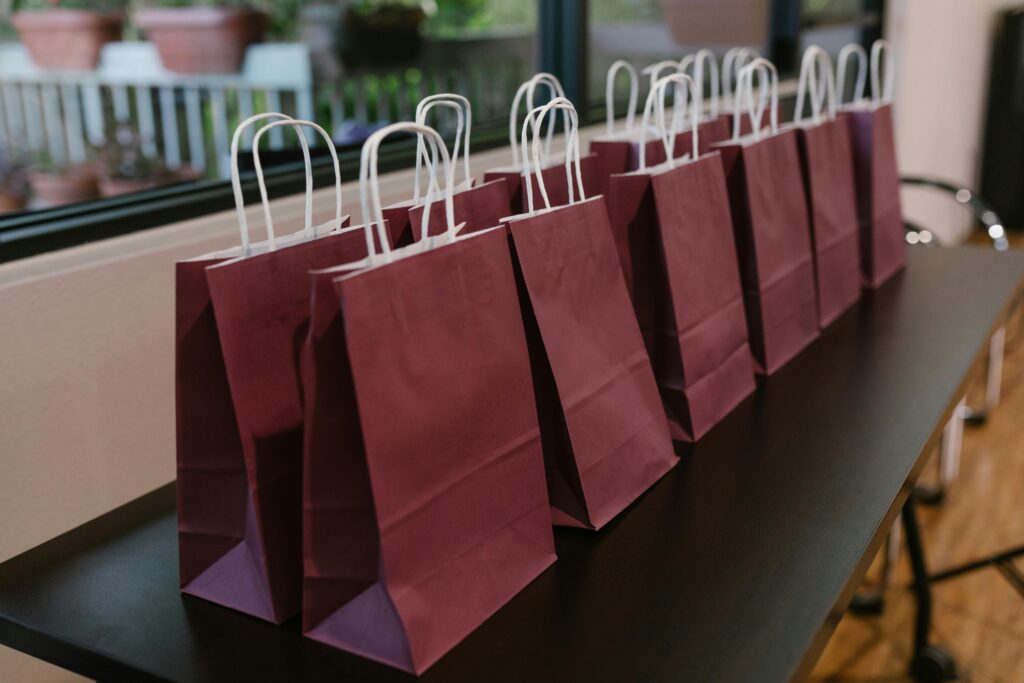
So I created a schedule of plans. I printed it and tucked it into the welcome goodie bags we prepped and left at the hotel for each room.
It outlined everything: key times, locations, what to wear, and when to show up. It included ideas for open blocks of time, things to do nearby, where to grab coffee, how to stay busy while we handled other logistics.
It wasn’t just a cute gesture. It was a boundary, a kindness wrapped in clarity. It said: here’s what we’re doing, you’re not being left out, and I don’t have to repeat myself six different ways.
And while my brother-in-law teased me the whole weekend about the itinerary, every time someone asked a question, he made a grand show of pulling it out. “Let’s consult the schedule,” he’d announce dramatically. He was also the first to rely on it, and he used the idea a couple of years later for his own son’s graduation.
Disney: Scaling Structure Without Losing Heart
By the time we planned our family trip to Disney World, I was anything but a rookie. Having visited the parks often over the years and as a certified Disney travel consultant, I knew the system.
The challenge was coordinating thirteen people from multiple households over five days and hitting all four parks — dozens of moving parts that demanded precision.
I built a full travel plan: daily meetup times, FastPass windows, dinner reservations, coordinated shirts, and options for downtime or spontaneous exploring. I added shaded-spot suggestions, rain backups, favorite souvenir shops, and reminders about the Florida heat. When the skies cleared just in time for every key moment, my brother-in-law and sister-in-law joked that I was so good at planning, I even controlled the weather.
But it wasn’t just about logistics.
I gave real advice, the kind you only get from someone who’s done Disney a dozen times. Don’t worry about looking cute. Your makeup will melt. Your hair will frizz. If you’re from Washington State, this kind of humidity will humble you.
And yes, I gave my now-infamous chafing speech, on repeat. If you’re like me and lack that elusive inner-thigh gap, wearing shorts all day in the heat and humidity of Central Florida in July will catch up to you. It won’t be pretty, and you do have to walk again tomorrow. So plan accordingly. Body Glide is your friend, and it comes in pocket size.
The itinerary included multiple GroupMe channels to help everyone stay connected. One thread was entirely devoted to hats: trying them on, snapping photos, and posting the funniest ones we could find. I also organized photo challenges and games where the end-of-day prize was a small gift card — just a way to add moments of delight and connection across a very large space.
Structured Hospitality Isn’t Controlling, It’s a Gift
People sometimes assume a plan takes the fun out of things, that it’s restrictive or overly rigid. But the truth is, structure creates space.
When I give you a sense of where we’ll be and when, what’s optional and what’s set, what’s nearby or worth trying, I’m giving you time back. You don’t have to stand on a sidewalk Googling “best snacks at Epcot” or wondering whether you should have packed a poncho. I already thought about it. I’m handing it to you, no strings attached.
Not everyone arrives well-prepared. Not everyone does research like I do. If I can save you some stress or help you make the most of a rare, expensive trip, that’s a win.
And truthfully, the planning itself is part of the joy. I love building these things. I love the momentum it creates.
Because at the end of the day, I don’t want to be on vacation at the same time as everyone else. I want to be on vacation with them.
Next in this series: Pre-Boarding the Brain — How Paris Planning Became a Lesson in Care.