
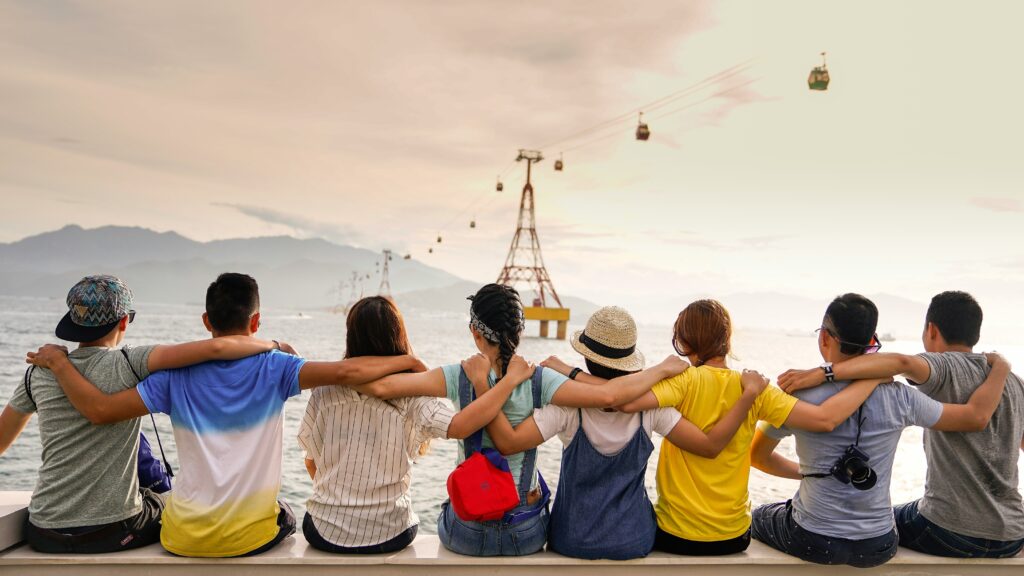
Most travel advice starts with where to go and what to pack. But if you’re planning for more than just yourself, the who might matter even more than the where. If you’re doing any kind of group travel planning, you’ll quickly learn the dynamics of the group shape every detail.
Planning a trip for a group, whether it’s family, friends, or a mix of both, means adjusting for personalities, pacing, preferences, and physical reality.
One person packs light, one needs an outfit change by lunch. One wants a ten-stop itinerary. One’s just here for the snacks.
You’re not just booking tickets. You’re designing an experience around people, real ones, with quirks and limits and lovely little blind spots.
How Big Is Your Group? That’s How Much Extra Time You Need
The minute a trip shifts from solo or pair to group, the math changes: logistically, emotionally, and definitely in terms of time. Add one person, and you add more than just a seat at dinner. You add one more set of preferences, one more set of logistics, and one more chance to derail a timeline you thought was generous.
Somewhere between four and six, you’re no longer planning a getaway, you’re managing a small organization. Decision-making gets slower. Bathrooms get scarcer. Meals take longer. And every plan requires more breathing room than you think.
I sometimes joke there’s a hidden formula: add one person, add 15 minutes to everything.
I’ve learned not to overstuff the plan. Not just for flexibility, but because a group needs time in ways a couple doesn’t. Transition time stretches: navigating a crowd, waiting for a stroller, figuring out who’s riding with whom. Downtime becomes essential: someone needs a nap, someone needs a snack, someone’s been in line for 20 minutes just to get into the women’s restroom.
And most importantly, no one wants to feel rushed. If your trip starts to feel like a conference agenda, with hard stops and no margin, people stop having fun.
Leave space. Especially if you’re traveling with people who haven’t traveled together before. They need time to gel, and you need time for things to shift without everything breaking.
Everyone Loves to Walk Until They Don’t
When I planned my mom’s 60th birthday trip to New York, she had one big wish: to ice skate at Rockefeller Center. Her birthday’s in August, but the rink isn’t open then, so I suggested November. Cooler weather, fewer crowds, festive energy. Perfect.
As we mapped out the trip, I mentioned how everything we wanted to see was spread out across Manhattan. “We’ll take the subway. If it’s close, we’ll walk. If not, we’ll grab a cab.”
Absolutely not, she said. “We will walk.”
“Okay,” I said. “Then please, please bring walking shoes.”
She did not.
She brought a pair of Keds-style slides. They looked like sneakers, if you squinted. But they had no heel support, no arch support, and, as it turns out, no staying power for walking ten miles across a concrete jungle.
By the end of day two (of a four-day trip), she had a blister the size of a half dollar on the ball of her foot. A nasty one. We took a lot of taxis after that. And she never did skate at Rockefeller Center.
You’re Planning for Bodies, Not Just Feet
Everyone thinks they’re fine walking, until they’re not.
As the planner, that’s your responsibility to anticipate—not just the timing, but the toll.
What looks simple on paper might mean five miles in the heat or stairs with no handrail.
Don’t assume your group is ready just because they said they were.
I’ve had itineraries, DisneyWorld in the summer comes to mind, where I’ve warned people more about Body Glide than park hours. Because if someone’s inner thighs are on fire from chafing by 2:00 p.m., it doesn’t matter what you had planned for 6:00.
Physical comfort is just as important as budget. Maybe more so. If someone’s feet hurt or they’re overheating, they’re not having a good time, and neither is anyone else.
So I always call it out. “This is a walking day.” “Bring real shoes.” “This is a long haul, don’t skip lunch and don’t forget the sunscreen.” People can still choose to ignore the advice. But I’ve done my part.
Build in options. Know your routes. And don’t assume someone saying, “Oh, I’m fine walking” means they’re ready for what’s coming. It might just mean they haven’t walked it yet.
Cost Shouldn’t Be a Surprise
Even if everyone’s excited about the trip, they’re not all bringing the same numbers. And that’s fine, as long as they’re bringing the same understanding.
I don’t try to guess what people can afford. I don’t analyze their spending habits. I just give them the information they need to make their own choices.
I send out the full plan in advance, every cost, every reservation deadline, every optional activity, along with a Google Form that asks who’s in for what. It’s low-pressure and incredibly helpful. That way, I know who’s joining the group dinner, who’s interested in a particular tour, and who’s planning to catch up later after doing their own thing.
Everyone books their own hotel. I’ll let people know where I’m staying and why I picked it, but they’re free to choose what suits them. That includes location, price, points, or just personal comfort.
Everyone gets the same details. Everyone gets to decide for themselves. No assumptions. No surprises. And no one has to announce in front of a group that something’s out of reach.
The goal isn’t to make everyone spend the same, it’s to make sure no one feels put on the spot. Clarity protects dignity. Quiet opt-outs keep the trip feeling easy. And when everyone gets to choose how they travel, the whole group travels better.
Because It’s Never Just Logistics
Every trip has a destination. But the journey isn’t just about the place, it’s about the people who show up, shoes and all, and the shared experiences you create along the way.
Plan for the activity level. Plan for the downtime. And be comfortable with the idea that “taking a break” might look different for everyone. Some will nap, some will hit the bar, and some just need a little solo time to reset.
Build a plan that leaves space, for rest, for flexibility, and for the real people you’re traveling with. That’s how good trips become great stories.
🧩 Hi, I’m Kathi.
I’ve planned trips for groups big and small, across time zones, age gaps, and wildly different shoe choices. I love a well-organized Google Form and a loosely structured day that still runs on time. When I’m not plotting out optional activities and dinner reservations, I’m probably writing about how planning styles shift depending on who’s along for the ride.
🧵 Threads Not Yet Pulled
- The rest of the NYC trip (including what went right)
- The role of a lead planner when you’re not technically in charge
- How I use Google Forms to manage group input, trip RSVPs, and optional activities
- The difference between optional and unspoken pressure to join
- When to stop adjusting the plan for people who didn’t plan
- Planning for introverts, early risers, or non-drinkers in a group-centric itinerary
- The Planner’s Survival Guide to Group Travel, archetypes, check-ins, and setting the tone